Gradual Localization Upgrade of Mid-tier Thermal Component Supply Chain in Southeast Asian Industrial Electronic Manufacturing Base
Jun. 29, 2026
Against the backdrop of global industrial electronic production capacity layout adjustment, mid-stream thermal management supporting component supply chain including precision stamping heat sink, customized thermal interface pad and small-spec liquid cold plate realizes gradual localized construction in multiple Southeast Asian manufacturing bases throughout recent two years, breaking previous long-term reliance on imported finished cooling parts from North Asia and European factories, bringing obvious order structure shift for Chinese thermal component exporters focusing on B2B overseas business. Based on our overseas customer field research covering Vietnam, Thailand and Indonesia’s industrial park manufacturers from Q1 to Q3 last year, this news analyzes core driving factors, existing industrial pain points and long-term cooperation opportunities for cross-border thermal component suppliers.
The first core driver of regional supply chain localization originates from downstream terminal production cost control of local industrial control and new energy component factories. In past five years, most Southeast Asian medium-sized equipment manufacturers purchased finished heat dissipation assemblies from Taiwan and Mainland China suppliers with complete production lines, bearing high international logistics expense and long lead time over 35 working days for customized samples; as local precision stamping workshops and small thermal material processing plants spring up supported by regional industrial park preferential tax policy, downstream clients prefer local semi-finished component procurement then finish secondary assembly and surface treatment domestically to cut overall stock capital occupation and shorten sample verification cycle within 12 working days. Local factories excel at simple-spec conventional heat sink stamping and standard thermal pad cutting processing, yet lack mature technology for high-precision microchannel cold plate welding and ultra-thin vapor chamber forming, forming obvious supply gap in high-performance customized thermal parts market.
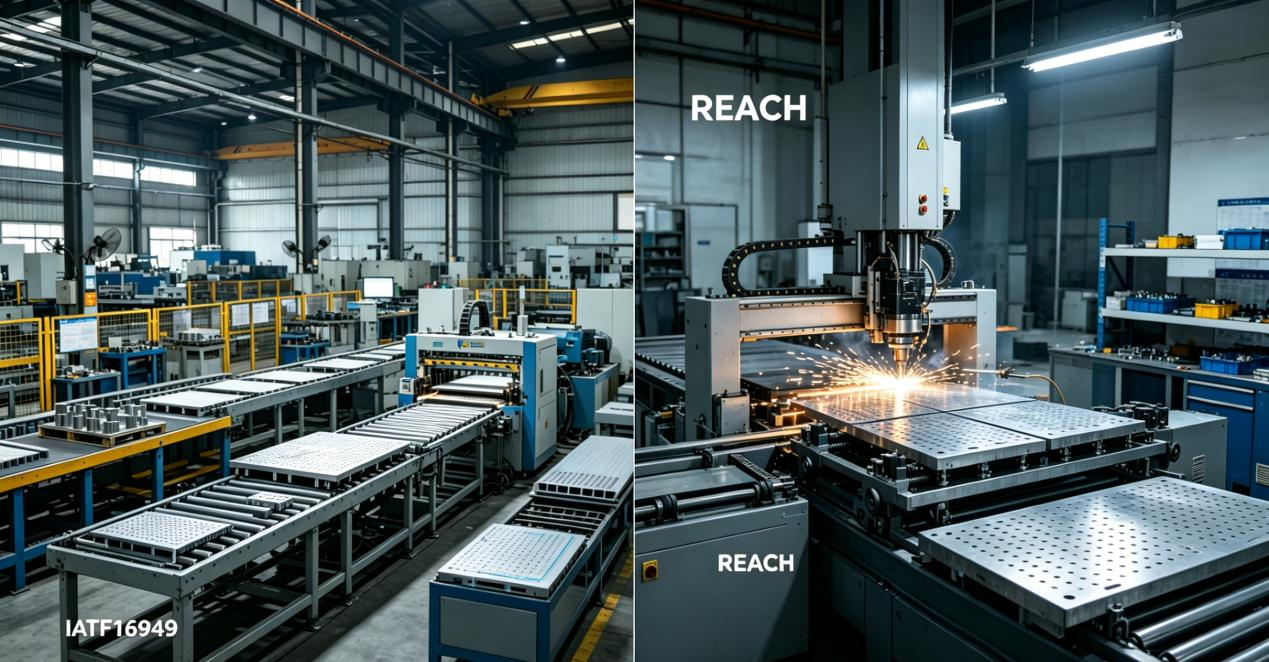
Secondly, regional environmental protection policy adjustment accelerates differentiated demand upgrading of thermal component raw material. Multiple Southeast Asian industrial zones issue stricter limit on volatile content of thermal interface auxiliary materials since early last year, banning over-limit halogen-containing adhesive used in traditional cheap thermal pad; local small-scale material factories are restricted by laboratory test capability and raw material procurement channel, unable to independently develop low-volatile high-reliability thermal interface products that meet EU REACH certification standards, creating stable long-term export space for Chinese certified thermal component manufacturers with complete IATF16949 and ISO environmental system certification. Our company’s customized TIM pad and precision welded cold plate already pass third-party environmental testing recognized by Southeast Asian industrial inspection institution, steadily supplying semi-finished high-performance thermal components to over 23 local mid-tier processing factories for deep secondary processing.
Looking forward to coming two years, Southeast Asian thermal supply chain will present dual development mode: local factories dominate low-value standardized bulk thermal parts production while cross-border Chinese suppliers occupy high-value customized precision cooling component market. Instead of large-scale finished product direct export as previous years, our enterprise adjusts overseas business layout to provide semi-finished core blanks plus technical processing guidance for qualified local cooperative factories, realizing win-win cooperation of local production and core technology output, which becomes a new growth path for mid-sized Chinese thermal management manufacturers exploring Southeast Asian B2B market.